
Optimal Timing for Assembly Service
Assembly service is most effective when scheduled during periods of optimal convenience and efficiency. Timing can impact the quality and speed of assembly, ensuring that projects are completed smoothly and with minimal disruption.
Scheduling assembly during mild weather avoids delays caused by rain, snow, or extreme temperatures, which can affect outdoor or large-scale projects.
Choosing a time when the workspace is free of clutter or other activities ensures safety and efficiency during assembly.
Aligning assembly with project timelines helps prevent delays and allows for timely completion of tasks.
Coordinating with clients or stakeholders during their available hours minimizes scheduling conflicts.

Workers assembling furniture outdoors during favorable weather.

A team planning assembly tasks in a spacious indoor environment.
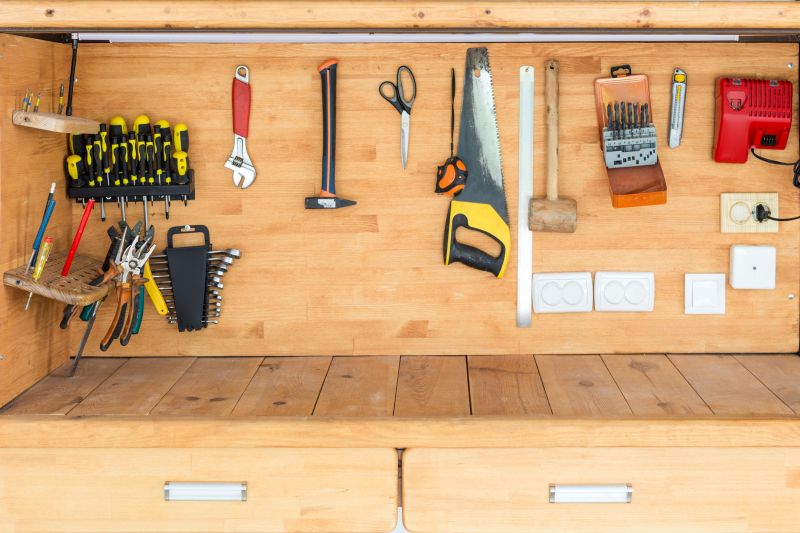
Organized tools ready for assembly project.

Completed furniture setup in a residential setting.
| Factor | Best Timing Advice |
|---|---|
| Weather Conditions | Schedule during mild, predictable weather |
| Project Deadlines | Align with project timelines for efficiency |
| Client Availability | Coordinate with client schedules |
| Resource Availability | Ensure tools and materials are ready beforehand |
| Indoor vs Outdoor | Indoor projects can be scheduled year-round |
| Workload Peaks | Avoid busy periods to ensure quality |
| Seasonal Considerations | Plan ahead for seasonal weather impacts |

A team working on furniture assembly inside a home.
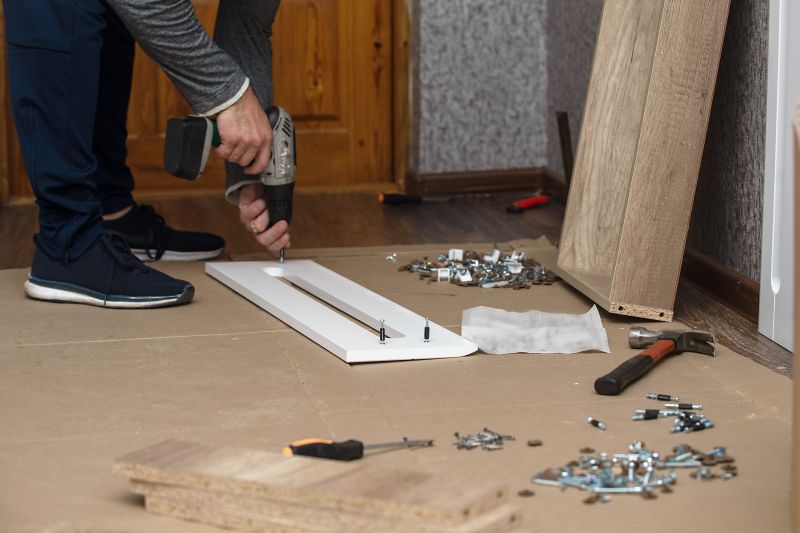
Specialized tools arranged for efficient assembly.

Furniture properly assembled and positioned.

Calendar with assembly appointments marked.
Choosing the right time for assembly can significantly impact project outcomes. Proper coordination and planning ensure that assembly work is completed efficiently, safely, and to the desired standards. Contact the service provider to discuss scheduling options that suit specific needs and timelines.